
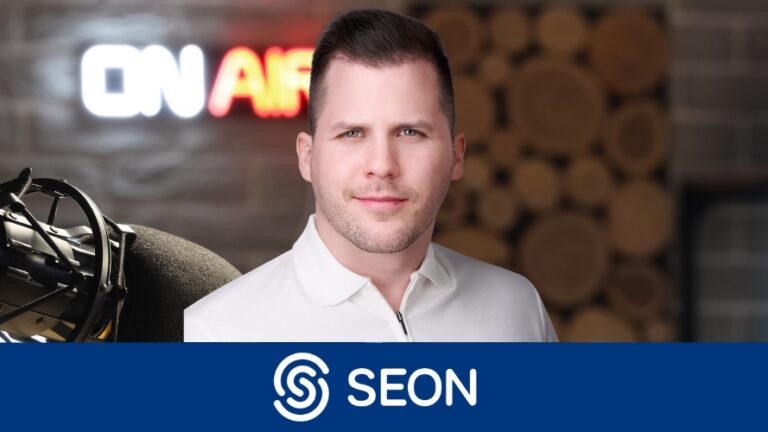
Fraud doesn’t usually announce itself with a flashing warning sign. It shows up as a chargeback, a fake account that looks “normal,” or an account takeover that slips through the exact same checkout flow your best customers use. Greg Myers sits down with Tamas Kadar, Co-Founder and CEO of SEON, to unpack how modern fraud actually works and how digital businesses can protect revenue without burying users under friction.
Tamas shares the origin story that started with a real loss: a crypto checkout experiment that got hit by fraud almost immediately. That experience turned into years of studying how fraudsters operate and, eventually, into SEON’s mission: help businesses prevent fraud, verify identities, and stay compliant in real time using the minimum data points companies already collect, like an email address or phone number, plus hard-to-fake device and digital footprint signals. We dig into when step-up verification makes sense, how to reduce false positives, and why trust and safety teams deserve to be seen as revenue drivers, not cost centers.
The conversation goes deep on AI in fraud prevention beyond the buzzwords. Tamas explains where classic machine learning helps, where it breaks, and how LLMs can speed up investigations by summarizing cases, surfacing patterns earlier, and reducing the “five tabs per investigation” problem. We also explore the shift toward headless software, where analysts can ask questions in natural language and get answers from the system of record without clicking through a UI, while still keeping decisions explainable with human-readable rules.